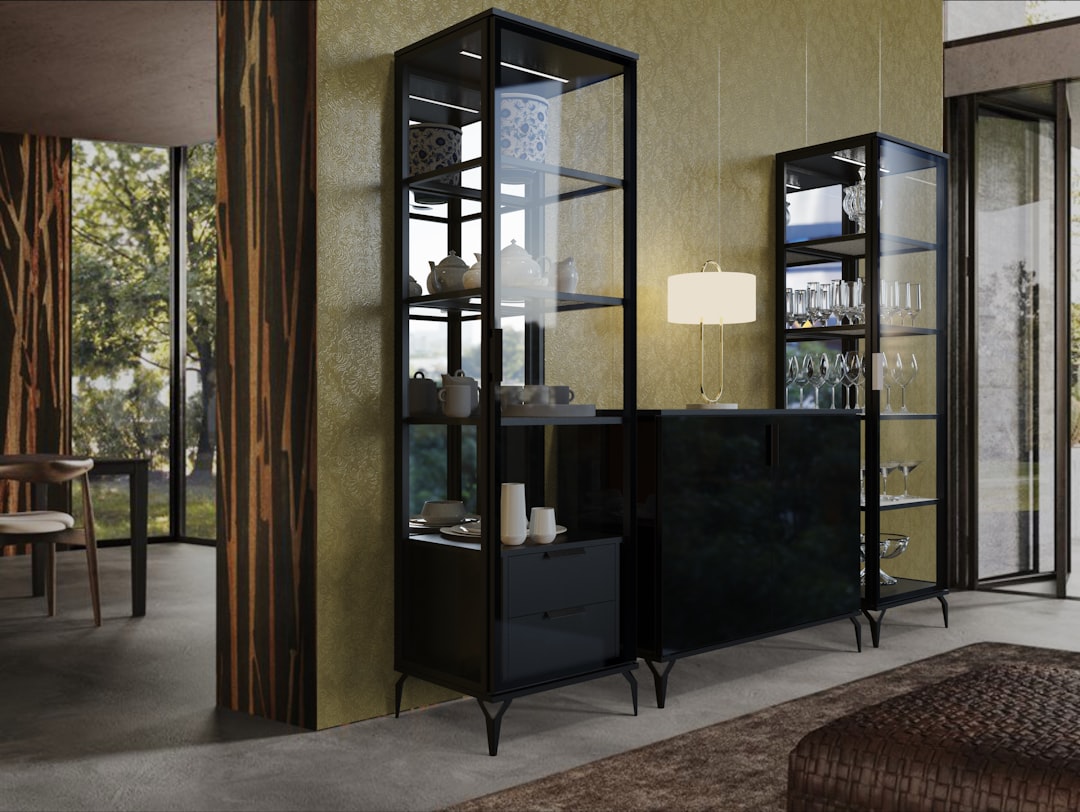
That 1980s Star Wars figurine collection won't yellow evenly in a sealed cabinet — it'll develop patchy moisture spots first, usually along the joints. Singapore's 80% humidity lingers like an uninvited guest, settling into glass-fronted cabinets where temperature fluctuations between day and night create condensation. In many landed property living rooms with west-facing windows, afternoon sun heats the glass panels while air-con blasts at night; that's when moisture seeps into paper labels on vintage whisky bottles or warps delicate lacquer boxes.
Curio cabinets need at least two ventilation points — typically mesh panels at the base and top, or a 1cm gap along the back panel. Homeowners converting IKEA Billy bookcases into display units often regret sealing the adjustable shelves too tightly; within months, humidity gets trapped between glass doors and particle board, causing that distinctive musty smell. Proper display cabinets for humid climates use breather holes disguised as decorative fretwork or install slim USB-powered dehumidifiers in the base.
Older HDB master bedrooms pose a particular challenge — their smaller floor area (around 12 sqm) means less natural airflow, especially if the cabinet sits flush against a wall. One Tampines collector learned this the hard way when her Limoges porcelain developed hairline cracks from repeated moisture expansion; she now keeps silica gel packets behind the adjustable shelves and leaves the doors ajar during rainy seasons. Glass shelves help somewhat by allowing air circulation underneath objects, but they're no substitute for proper ventilation.
The worst offenders are those ornate, fully enclosed curio cabinets with leadlight glass — beautiful in theory, but prone to creating microclimates where humidity can spike to 90%. A better choice for ceramic collections or vinyl records would be cabinets with at least 30% open surface area, like those with slatted sides or metal mesh backs. Some homeowners in landed properties near Bedok Reservoir even install discreet PC fans wired to humidity sensors, though that's overkill for most family heirlooms.
Singapore’s humidity warps untreated wood within months — a lesson many learn too late when their grandmother’s teak display cabinet starts sticking at the doors. For heirloom collectors in landed properties or HDB dwellers with prized figurines, material choice isn’t just about aesthetics; it’s about survival. Metal-framed cabinets with tempered glass panels handle moisture best, though they’ll cost $1,800–$3,200 for a 180cm unit; powder-coated steel resists rust even in ground-floor flats near Bedok’s coastal breeze.
Treated rubberwood or kiln-dried mahogany work for enclosed curio cabinets in air-conditioned living rooms, but avoid them in humid spaces like open-concept kitchens or service yards. That 12 sqm common bedroom doubling as a display area? Its lack of airflow turns particleboard shelves into sponges — stick to marine-grade ply or aluminium shelving systems instead. Glass-fronted units need silicone seals at every joint; check for condensation trails along the edges after the first rainy season.
Older homeowners often default to solid wood out of habit, forgetting that 1970s shophouses had better ventilation than today’s BTOs. A 150cm metal-and-glass display case might feel clinical compared to carved rosewood, but it won’t develop that musty smell by year three. For crystal collections in landed properties near Thomson’s leafy streets, humidity-controlled cabinets with cedar-lined drawers add protection without sacrificing tradition.
The real test comes during February’s monsoon surges, when even climate-controlled rooms hit 80% humidity. That’s when cheap MDF back panels swell and push glass doors off-track — a common repair call for cabinet makers in Ang Mo Kio workshops. Go for stainless steel hinges regardless of frame material; they’re the only hardware that won’t green with patina after two wet seasons.
Budget-conscious buyers eyeing $1,200–$1,800 ranges should prioritise aluminium frames over “solid wood” claims at that price point. What’s marketed as acacia or oak often turns out to be veneer over plywood, with edges that peel in humidity.
Leave 5–8cm between cabinet backs and walls in humid Singapore — enough for air circulation but not so much that dust collects. This gap prevents moisture buildup behind solid-wood cabinets, especially in landed property living rooms facing afternoon sun. Curio cabinets with glass backs need less clearance (3–5cm) since condensation rarely forms on tempered glass. Measure from skirting boards, not just plaster walls, as older HDB flats often have uneven surfaces. Avoid pushing cabinets flush against partition walls where plumbing pipes might cause hidden dampness.
Morning light warms display cabinets nicely, but direct afternoon sun fades fabrics and cracks lacquer finishes within two years. Position cabinets perpendicular to west-facing windows in landed homes, or use UV-filtering window films in HDBs. Glass-fronted cabinets should face north or east where possible — the diffused light better showcases collectibles without glare. Leave at least 60cm clearance from operable windows to prevent moisture ingress during thunderstorms. Condensation patterns on your existing windows reveal problem spots to avoid.
In 4-room BTO layouts, allow 90cm walkways between cabinet doors and sofa edges — enough space for two people to pass comfortably. Glass display cabinets work best along dead walls near dining areas, not narrow corridors where elbows might collide with corners. For landed properties, avoid placing cabinets where they’ll interrupt the natural path between veranda and kitchen. Observe existing foot traffic patterns before finalising placement; scuff marks on flooring often indicate high-activity zones. Corner units should maintain at least 110cm clearance from main door swing radiuses.
Kitchen-adjacent living spaces need silica gel packs inside cabinets every monsoon season — the moisture travels further than most homeowners expect. Ground-floor units near planter boxes require quarterly checks for termite activity along cabinet bases. Avoid placing solid wood cabinets directly under aircon vents where rapid temperature changes cause warping. Glass cabinets tolerate bathroom-adjacent walls better than wood, but still need monthly hinge lubrication in these locations. Dehumidifiers work best when positioned 1.5–2m from display cabinets, not directly beside them.
Eye-level shelving (140–170cm height) showcases collectibles best without requiring step stools in compact spaces. For china displays, tilt shelves forward 5 degrees so patterns catch light when viewed from standard dining chair height. Avoid placing prized items lower than 50cm in households with toddlers or small dogs. Glass cabinets opposite mirrors create appealing depth illusions in narrow HDB living rooms. Test sightlines from primary seating areas — what visitors see immediately upon entering often determines perceived value of displayed items.
That glass-fronted curio cabinet in your Tampines living room? The one with your grandmother’s Peranakan porcelain collection? It’s quietly fogging up every Singaporean monsoon season because you skipped the ventilation gaps. Display cabinets need airflow like wardrobes need dehumidifiers — yet most homeowners only notice when their Limoges teacups develop a musty patina.
Oversizing is another silent killer. A 180cm-wide showcase might look stately in a landed property’s formal parlour, but crammed into a 12 sqm HDB bedroom corridor, it becomes a glorified dust collector. The sweet spot for most Singaporean homes is 100–120cm width with adjustable glass shelving — enough to display a curated collection without dominating the room.
Then there’s the sealant trap. Buyers obsess over door alignment but ignore the rubber gaskets. Cheap seals degrade within two years, letting in humid air while supposedly being “dust-proof”. Test them by closing a dollar note in the door — if it slides out easily, so will your climate control.
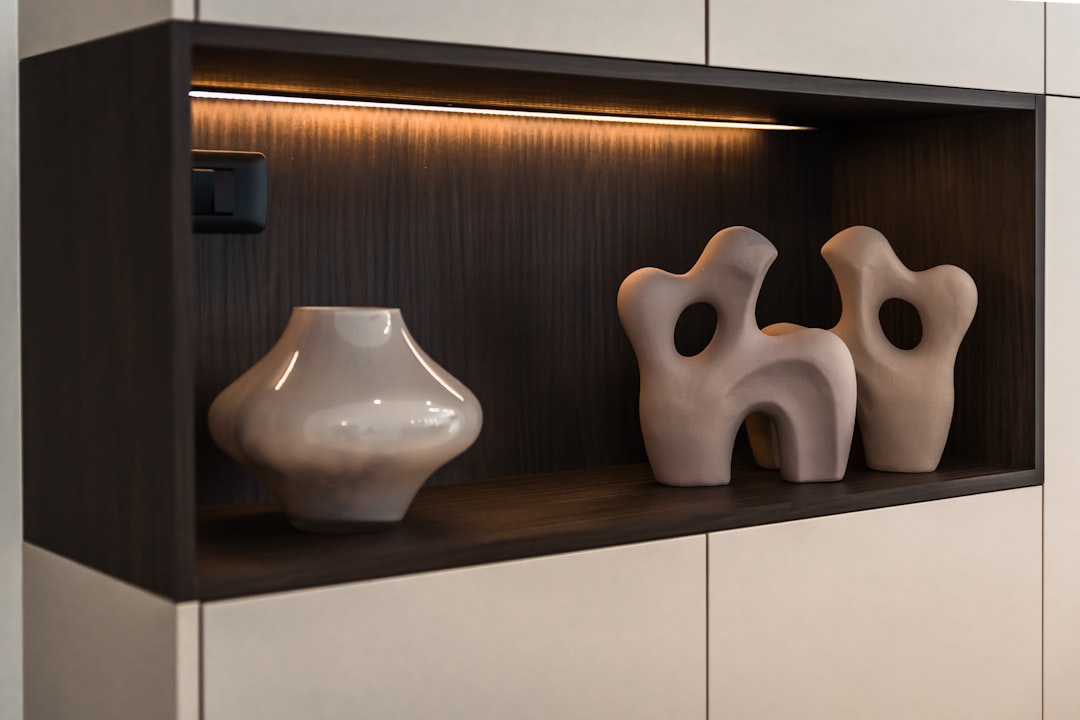
" width="100%" height="480">Curio cabinet ventilation: preventing moisture buildupHumidity control gets overlooked until the damage is done. Those LED-lit display nooks in modern units? They trap warm air against glass surfaces, creating perfect conditions for condensation. Simple fixes: leave 5cm clearance behind the cabinet for air circulation, or opt for open-backed designs if wall-mounted. Megafurniture’s display cabinets with mesh-backed panels solve this neatly — their Joo Seng showroom demonstrates how the design prevents moisture buildup while keeping dust out.
Finally, lighting choices. Warm LEDs may flatter your Lalique vases, but they also raise internal temperatures by 3–5°C. Go for cool-white museum-grade strips if you’re serious about preservation. Your Spode Christmas plates will thank you.
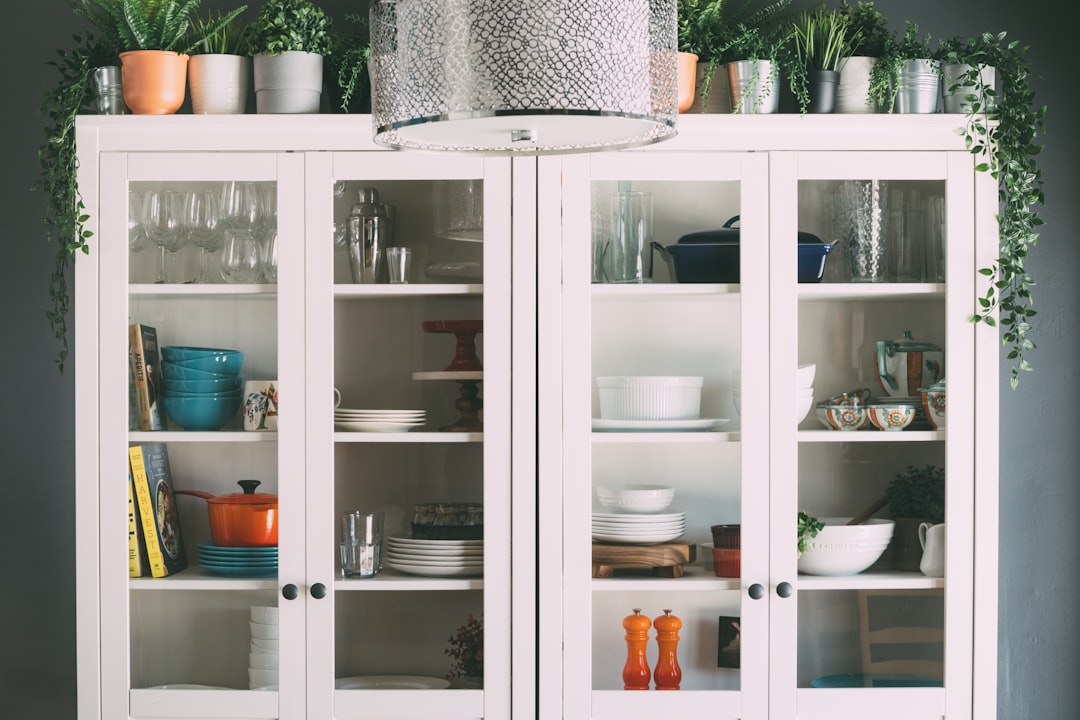
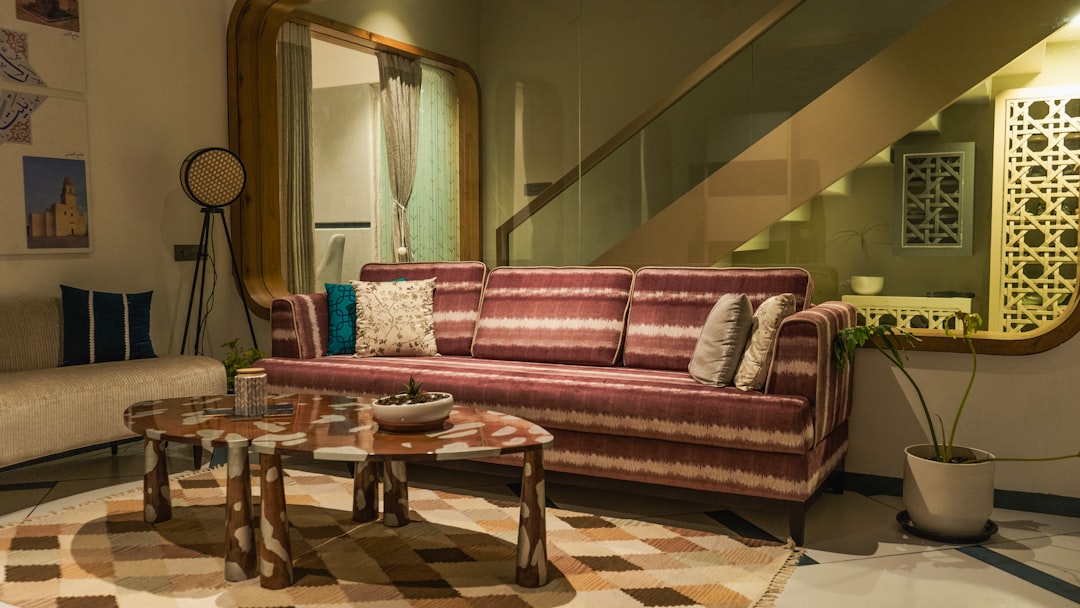
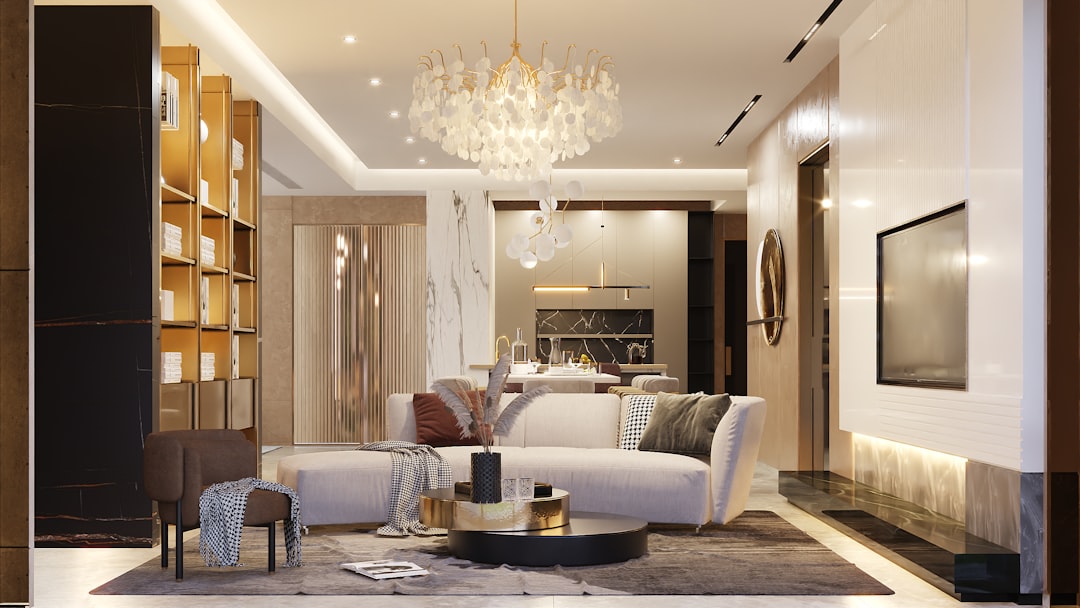
The Joo Seng showroom’s air-conditioning hums at precisely 22°C — a temperature that won’t reveal how your future curio cabinet handles Singapore’s 90% humidity. That’s why serious buyers prop open display unit doors for 10 minutes, then run a finger along the inner glass to check for condensation streaks. Ventilation gaps matter more than you’d think. Modern display cabinets often hide their airflow systems behind decorative fretwork or baseboard slits; at Tampines, crouch down to confirm these aren’t just shallow grooves pressed into MDF. Mid-range units typically place one vent at the top and another near the base — enough for convection currents to discourage mould, provided the seals don’t warp. Test every hinge and latch twice. Glass-paned doors should close with a muffled click, not a hollow clang that suggests thin aluminium frames. Press gently against closed doors to feel for drafts — a telltale sign of warped seals that’ll let in moisture during monsoon season. Some buyers bring a small hygrometer to leave inside closed cabinets for 20 minutes. If the humidity reading climbs more than 5% above the showroom’s ambient level, those heirloom teacups might develop bloom in a year. The best units balance airflow with dust protection. Look for cabinets with mesh-backed ventilation panels or adjustable humidity control pods — features that add $200–$400 to the price but spare you the headache of weekly silica gel swaps.
Megafurniture’s collectionincludes three such models, though you’ll need to ask staff to demonstrate the moisture-wicking liners.
Delivery crews will curse your name if they have to haul a glass-fronted cabinet up narrow HDB stairwells—measure doorframes first, then add 15cm clearance for tilting. Humidity warps MDF shelves within months; warranties should explicitly cover "tropical climate deterioration" rather than vague "material defects". That rattan weave backing everyone loves? It’ll yellow where afternoon sun hits through your Bedok North living room window—check if UV resistance is listed under exclusions.
Most display cabinets arrive flat-packed with tempered glass panels heavier than they look—assembly typically requires two adults and a hex key you’ll immediately lose. Older homeowners often pay extra for professional installation, though neighbourhood handymen charge half what showrooms do for the same 45-minute job.
Warranty fine print matters when your $1,200 curio cabinet’s LED lighting fails during December monsoons. Look for at least three years coverage on electrical components, with clauses that don’t void protection for "environmental factors" like 85% humidity. Pro tip: Photograph the unit during unboxing—manufacturers love blaming dents on "improper handling" rather than their flimsy packaging.
Singaporean delivery timelines stretch during CNY and Deepavali—schedule purchases for mid-month to avoid backlogged logistics. Some retailers charge extra for same-day upstairs delivery in walk-up apartments; others won’t attempt it at all if your corridor turns at 90 degrees. Glass doors mean no hiding shipping dings behind throw pillows—inspect every edge before signing off.
Megafurniture’s Joo Seng warehouse keeps display cabinets in stock for immediate dispatch, unlike imported units that languish at Pasir Panjang port for weeks. Their warranties specifically mention coverage for "high humidity environments"—a rare inclusion that suggests they’ve seen enough warped particleboard to know better.
Glass doors fog up within weeks in Singapore’s humidity—that white film isn’t dust, but salt residue from evaporated sweat in the air. Most curio cabinet buyers don’t realise their heirloom porcelain collection sits in conditions worse than their bathroom until the first hairline crack appears.
Can I place it near the aircon? Only if you enjoy watching condensation pools form by noon. Keep cabinets at least 1.5m from direct airflow; the constant dry-wet cycle warps wood veneers faster than termites. Those with wall units might consider a dehumidifier cabinet (the kind for cameras) tucked behind the lower drawers—unseen, but keeps humidity at 55% without the energy bill of running aircon 24/7.
How to clean glass without streaks? Skip the vinegar-and-newspaper hack—it just smears mineral deposits. Use a 1:20 dish soap solution with microfiber, then a dry second pass. For stubborn haze, automotive glass cleaner works better than household sprays; the anti-fog additives prevent quick re-filming.
Ventilation gaps matter more than aesthetics. Back panels with drilled holes or mesh (like speaker cabinets) prevent mustiness, while LED lighting generates enough heat to deter mould in enclosed spaces. One Tampines homeowner lined her cabinet’s base with moisture-absorbent charcoal packets from Daiso—cheaper than silica gels, and lasts six months before needing a sun-bake refresh.
The real danger zone is the 30cm above kitchen cabinetry. Heat and grease particles create a sticky film on glass that requires weekly cleaning. If your display area backs onto a wet kitchen, opt for tempered glass—it withstands thermal shock when someone inevitably boils soup directly below.
A display cabinet’s glass doors might showcase your grandmother’s Peranakan porcelain, but they won’t protect it from Singapore’s humidity if the unit lacks proper ventilation. Check for discreet vents—often hidden along the base or crown moulding—that allow air circulation without compromising dust protection. Older landed properties near Siglap or Katong, where afternoon sea breezes meet monsoon dampness, need cabinets with at least two ventilation points.
Measure twice: most display cabinets sit flush against walls, leaving zero margin for error in 120cm-wide HDB living room niches. Account for door swing clearance—hinged models require 45cm free space, while sliding doors work in tighter 80cm corridors. Glass shelves should be at least 8mm thick for crystal collections; adjustable variants let you reconfigure for irregularly sized heirlooms.
Material matters more than aesthetics here. Tempered glass doors resist shattering but fog up faster in humid conditions unless treated with anti-condensation coatings. Solid rubberwood frames withstand Bukit Timah’s damp better than MDF, though they’ll cost 30–40% more. For coastal areas like Pasir Ris, consider marine-grade aluminium edging to slow salt corrosion.
Test the cabinet’s lighting before committing. LED strips shouldn’t sit directly beneath glass shelves—they’ll overheat delicate lacquerware. Look for diffused uplighting that illuminates without casting shadows on your prized figurines. And always verify the power cord length; many display units assume you’ll place them near sockets that simply don’t exist in pre-2000 HDB flats.
Megafurniture’s display cabinets include ventilation-friendly designs with optional humidity control packs—worth considering if you’re storing vintage photographs or delicate textiles. But skip the glass cleaner bundles; a microfiber cloth and distilled water work better on antique mirrors than chemical sprays ever will.
Curio cabinets benefit from subtle ventilation gaps or mesh-backed panels to allow natural airflow. Positioning the cabinet away from walls and humidity sources reduces stagnant air pockets. This prevents condensation without compromising dust protection.
Discreet silica gel packs placed in corners absorb excess moisture invisibly. Rechargeable options maintain effectiveness long-term without altering aesthetics. Rotate packs monthly in high-humidity environments.
LED lights with low heat output minimize temperature fluctuations inside the cabinet. Pair with a hygrometer to monitor humidity levels in real time. Opt for fixtures with built-in timers to reduce prolonged exposure risks.